Table Of Content
- Save More on Every Order – Grab the Latest Coupons & Deals
- VPN vs Antivirus: What Is the Difference?
- How a VPN Protects You
- How Antivirus Software Protects You
- Do You Need Both a VPN and Antivirus?
- How NordVPN Fits Into Online Security
- NordVPN Security Features to Consider
- Pros and Cons of Combining VPN and Antivirus Protection
- Save More on Every Order – Grab the Latest Coupons & Deals
- Frequently Asked Questions
- 1. Is a VPN better than antivirus?
- 2. Can a VPN protect you from viruses?
- 3. Does NordVPN include antivirus protection?
- 4. Do I need antivirus if I already use a VPN?
- 5. Can antivirus software protect my privacy on public Wi-Fi?
- Conclusion
Online security involves more than protecting your passwords. When you browse websites, connect to public Wi-Fi, download files, or shop online, you may encounter privacy risks, malicious software, and fraudulent websites. Understanding VPN vs antivirus protection helps you choose the right tools for your devices.
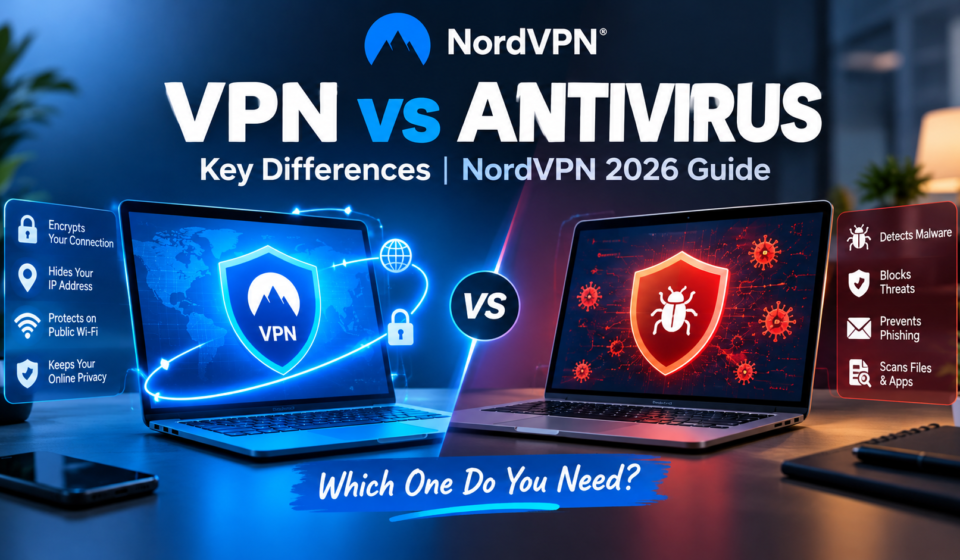
A virtual private network (VPN) encrypts your internet traffic and helps conceal your public IP address, while antivirus software focuses on detecting, blocking, and removing malicious software. These tools address different security concerns, so using one does not automatically make the other unnecessary.
NordVPN combines VPN services with additional digital threat protection features in eligible plans. Understanding what these features do can help you decide whether a basic VPN subscription or a more comprehensive security package better suits your browsing habits.
Save More on Every Order – Grab the Latest Coupons & Deals:
VPN vs Antivirus: What Is the Difference?
The main difference is what each tool protects. A VPN focuses on your internet connection and online privacy, whereas antivirus software focuses primarily on threats affecting your device.
How a VPN Protects You
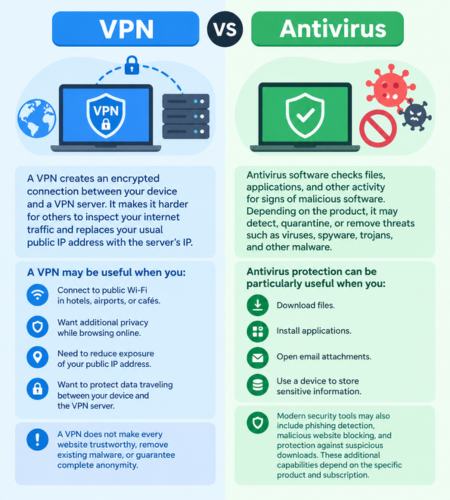
A VPN creates an encrypted connection between your device and a VPN server. This makes it harder for others on the same network to inspect your internet traffic and replaces your usual public IP address with the server’s IP address.
A VPN may be useful when you:
- Connect to public Wi-Fi in hotels, airports, or cafés.
- Want additional privacy while browsing online.
- Need to reduce exposure of your public IP address.
- Want to protect data traveling between your device and the VPN server.
However, a VPN does not make every website trustworthy, remove existing malware, or guarantee complete anonymity. You still need safe browsing habits and appropriate device security.
How Antivirus Software Protects You
Antivirus software checks files, applications, and other activity for signs of malicious software. Depending on the product, it may detect, quarantine, or remove threats such as viruses, spyware, trojans, and other malware.
Antivirus protection can be particularly useful when you download files, install applications, open email attachments, or use a device to store sensitive information.

Modern security tools may also include phishing detection, malicious website blocking, and protection against suspicious downloads. These additional capabilities depend on the specific product and subscription.
Do You Need Both a VPN and Antivirus?
For many people, using both provides broader protection because each addresses different risks. A VPN helps secure your internet connection, while antivirus software helps defend your device against malicious files and applications.
Consider these examples:
- Using public Wi-Fi: A VPN adds encryption to your connection, while antivirus software can help detect malicious downloads.
- Downloading unfamiliar files: Antivirus protection may identify harmful files, while a VPN does not automatically make those downloads safe.
- Shopping online: A VPN helps protect connection privacy, but you should still verify the website and use secure payment practices.
- Opening suspicious emails: Antivirus tools may detect malicious attachments, but phishing messages can also steal information without installing malware.
You may not need to purchase two separate applications if a security package already includes suitable VPN and malware-protection features. Check exactly what your existing software covers before paying for another subscription.
How NordVPN Fits Into Online Security
NordVPN offers VPN protection alongside additional security features through certain subscription plans. Its standard VPN service focuses on encrypted internet connections and IP address masking. Higher-tier options may include features designed to help protect against malicious downloads, suspicious websites, phishing, advertisements, and trackers.
The available features depend on the plan, operating system, and product version. NordVPN’s next-generation antivirus and browsing protection capabilities should not be confused with a guarantee against every cyber threat.
When comparing subscriptions, review whether the plan includes malware scanning, phishing protection, and ad or tracker blocking. Also confirm that the relevant features are supported on your particular device.
For readers comparing subscription costs, features, and security considerations, the NordVPN website provides current plan information. Choosing a package with useful features is more important than paying for extras you are unlikely to use.
NordVPN Security Features to Consider
NordVPN offers different subscription plans to suit various online security and privacy needs. The Basic plan focuses on essential VPN functionality, helping users secure their internet connection. Higher-tier plans include additional digital threat protection features, depending on the selected subscription. These extra tools can help users enjoy a safer and more secure browsing experience.
Before selecting a plan, consider these features:
- Secure VPN connection: Encrypts internet traffic and helps mask your public IP address.
- Malware protection: Supported higher-tier features can scan downloads and help identify dangerous files.
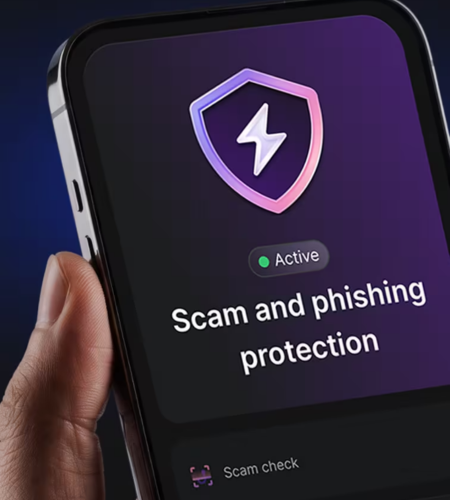
- Phishing and malicious website protection: Available protection features can help prevent access to certain harmful domains.
- Ad and tracker blocking: Supported features can reduce intrusive advertising and limit some online tracking.
No single feature replaces every security measure. Keep your operating system updated, use unique passwords, enable multifactor authentication, and avoid downloading files from untrusted sources.
Pros and Cons of Combining VPN and Antivirus Protection
Pros
- Addresses both connection privacy and device-level threats.
- Adds protection when browsing or downloading files.
- May simplify security management when features are bundled together.
- Helps users build a more comprehensive online safety routine.
Cons
- A VPN alone does not provide complete antivirus protection.
- Some advanced features require a higher-priced subscription.
- Feature availability can vary by device and operating system.
- Neither tool guarantees protection against every scam, phishing attempt, or cyberattack.
Save More on Every Order – Grab the Latest Coupons & Deals:
Frequently Asked Questions
1. Is a VPN better than antivirus?
Neither is universally better because they serve different purposes. A VPN protects the privacy of your internet connection, while antivirus software helps detect and handle malicious software.
2. Can a VPN protect you from viruses?
A standard VPN does not remove viruses or replace antivirus software. Some VPN subscriptions include additional malware-protection features, but you should verify their specific capabilities.
3. Does NordVPN include antivirus protection?
NordVPN offers next-generation antivirus and related digital threat protection features in eligible plans. Check the current subscription details and device compatibility before choosing a package.
4. Do I need antivirus if I already use a VPN?
Generally, yes, if your VPN does not include suitable malware protection and you want that additional layer of security. A VPN connection alone does not protect against every infected file or malicious application.
5. Can antivirus software protect my privacy on public Wi-Fi?
Antivirus software can help defend against malware, but it does not provide the same connection encryption as a VPN. Using both can address different risks when connecting to public networks.
Conclusion
Understanding VPN vs antivirus protection makes it easier to build a sensible online security setup. A VPN encrypts internet traffic and helps conceal your public IP address, while antivirus software helps detect and manage malicious software. Neither tool replaces careful browsing, software updates, and strong account security.
NordVPN may be worth considering if you want VPN functionality with additional digital threat protection in an eligible plan. Compare the available features, device compatibility, and current subscription costs before deciding. Choose protection that matches your needs rather than assuming one application can prevent every online threat.